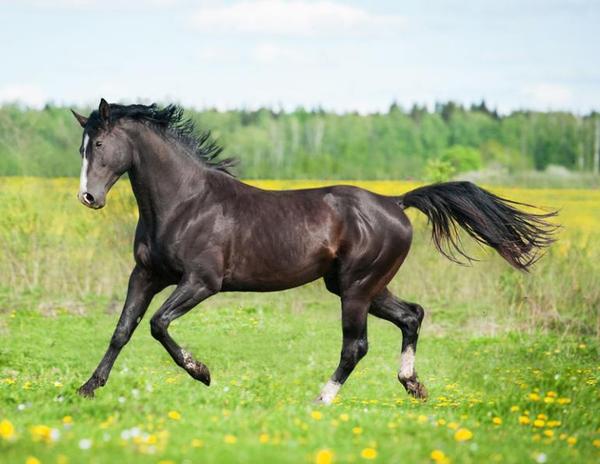
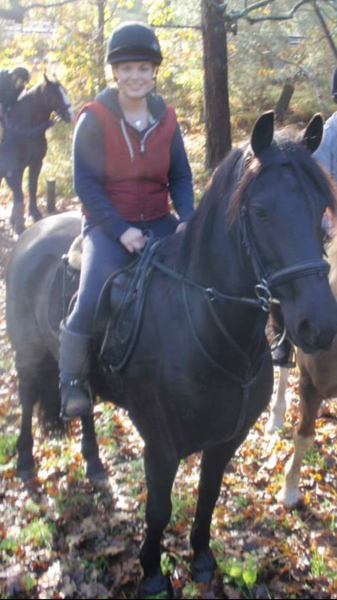
Lots of ideas about how we treat horses are being challenged at present, and surely that's a good thing. Most of our practices were developed when horses were utilitarian animals, beasts of burden, modes of transport, wagers of war, commodities to be traded, and so on. Now they are creatures to serve our leisure and the attitudes that come with that are varied - still commodities to many but also friends to many others.
There are many people who are questioning the methods we use, many of whom have years of experience, many who study the physiology and psychology of horses extensively to try to bring about improvements in our treatment of them. One example is that traditional shoeing is being questioned, and many people now keep their horses barefoot because they believe it is more natural (which is undoubtedly true - no horse was born wearing shoes) and also better for their feet and legs.
The use of bits is also being questioned - because there is no getting away from the fact that they are designed to cause at least discomfort and even pain - that's how they work. Just listen to any horse person saying their horse was too strong so they tried a different (ie. stronger) bit. I agree with David that bitless bridles can be equally strong and cause pain in different areas; but different styles of these are being developed all the time in the search for more humane ways of riding horses. This raises the ultimate question. Is it ever humane to ride a horse or any animal? Do we ask them? Have they any choice? And before people say what they always say, that a horse would soon let you know if it didn't want to be ridden, I think this is where we get it wrong.
Horses are the most generous, willing, giving creatures I know. We handle them from being babies, they learn to trust us, they put up with all kinds of mistreatment and carry on trying for humans even when cruelly abused. I think we owe it to them to continually ask ourselves whether what we ask of them is too much, and whether we can work towards a more genuine partnership than simply domination of one species by another, using pain as a means of control.