"Old fashioned" expressions that young people have never heard.
Dresses without a defined waist
Sign up to Gransnet Daily
Our free daily newsletter full of hot threads, competitions and discounts
Subscribe
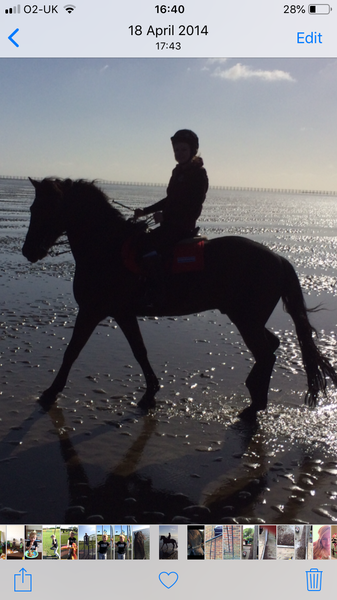
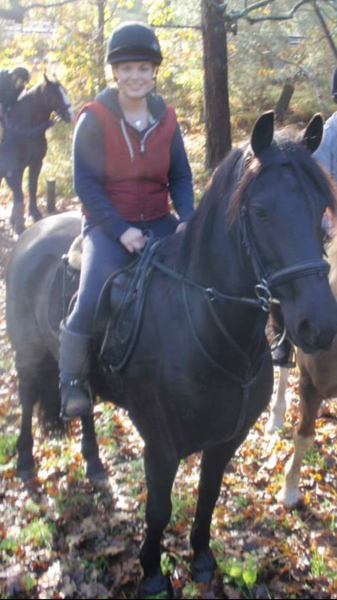
Horses are proud beautiful animals.
My favourite.
I have a problem with caged birds, they were meant to fly free.
Broken, backed, the principle is the same.
I'm not criticising, by the way, I've just been pondering the relationship between pets and their owners lately.
MissAdventure, the term "broken" is hardly used nowadays, we use "backed".
We have had our boy since he was two yrs old, my daughter started by just spending hours with him, grooming, petting and putting his head collar on and off repeatedly. She then just started leaning over his back (whilst someone held his head collar purely for safety) gradually over many weeks she put more of her weight over his back. She was able to ride him bare back within 3 months and then with a saddle. The whole process probably took a year.
If a horse does not want to be ridden or even have a bit in its mouth it has lots of "inventive" ways of letting you know, AC and I have the scars to prove it!!!!
Thank you, nightowl for your interesting and reasoned post. I have seen the mutual affection between my daughter and her horse and the trust that has been built up between them. As with all practices, it is right to question and explore alternatives. It was once the done thing to dock the tails of some dogs but that practice has been questioned and discredited.
They have to be 'broken' though, to allow anything on their back in the first place.
Horses do let you know if they don't want to be ridden. They'd throw you through the side door pretty quickly.
It can hurt ??
Horses have to be shod to go on roads. Aeons ago there were no roads as such and horses roamed wild.
Rather like you walking on grass or soil barefoot then doing the same on gravel, concrete or tarmac.
Why do we humans wear shoes?
That's lovely gillybob
I am a non rider too shysal . When I see the behaviour of the horses when my DGD’s approach them I think they crave their love and attention. The sheer adoration in their eyes is a sight to behold . Of course this is mutual . I have never once seen any of the horses my DGD’s look after, flinch or try to avoid being saddled.
One thing I do think is cruel is seeing large, heavy people on small horses that must be struggling to hold the weight. Poor things. It’s wicked.
You can tell that bits are an irritation to horses as they constantly " chew " and look as though they're trying to adjust this unnecessary irritation, poor things. I don't like seeing it at all.
Just a thought from a non-rider who is a bit wary of horses. Do horses ever enjoy being ridden, or is it all rather cruel?
youtu.be/lPYonm2NMZw
To all of those with a love of horses . You will enjoy this video and song by Willie Nelson. “Ride me Back Home”
Lots of ideas about how we treat horses are being challenged at present, and surely that's a good thing. Most of our practices were developed when horses were utilitarian animals, beasts of burden, modes of transport, wagers of war, commodities to be traded, and so on. Now they are creatures to serve our leisure and the attitudes that come with that are varied - still commodities to many but also friends to many others.
There are many people who are questioning the methods we use, many of whom have years of experience, many who study the physiology and psychology of horses extensively to try to bring about improvements in our treatment of them. One example is that traditional shoeing is being questioned, and many people now keep their horses barefoot because they believe it is more natural (which is undoubtedly true - no horse was born wearing shoes) and also better for their feet and legs.
The use of bits is also being questioned - because there is no getting away from the fact that they are designed to cause at least discomfort and even pain - that's how they work. Just listen to any horse person saying their horse was too strong so they tried a different (ie. stronger) bit. I agree with David that bitless bridles can be equally strong and cause pain in different areas; but different styles of these are being developed all the time in the search for more humane ways of riding horses. This raises the ultimate question. Is it ever humane to ride a horse or any animal? Do we ask them? Have they any choice? And before people say what they always say, that a horse would soon let you know if it didn't want to be ridden, I think this is where we get it wrong.
Horses are the most generous, willing, giving creatures I know. We handle them from being babies, they learn to trust us, they put up with all kinds of mistreatment and carry on trying for humans even when cruelly abused. I think we owe it to them to continually ask ourselves whether what we ask of them is too much, and whether we can work towards a more genuine partnership than simply domination of one species by another, using pain as a means of control.
Thank you all 
My DDiL and older DGD’s are horse fanatics. My eldest DGD (13) rides for some very prestigious trainers. They all use “bits” as far as I am aware . Basically what GrannyGravy said up thread.
Bits are far from cruel and unnecessary! Yes it is possible to abuse a bit but that purely comes down to the owner/riders knowledge and ability. Having a daughter that has ridden for 20years plus and also competed at a high level in X-country and show jumping, I can assure the use of a bit on a horse is far from cruel and certainly does not effect them in anyway when ridden properly by a rider who knows what they are doing
If, when, riding, you notice a sore or tear at the corner of the horse's mouth, report it immediately. This is not normal.
There are lots of opinions about how horses should be handled, young horses are often trained without a bit and then later one is introduced.
It is possible to abuse a bit in a horses mouth by rough handling, likewise it is just as possible to abuse a nose band across a horses very sensitive face and make that sore. Neither of which is welfare friendly or likely to produce a good horse and rider combination. Western riders neck rein their horses with a very light touch and very little contact with the horses mouth or nose it all depends how the horse has been trained.
It doesn’t really matter which side you mount a horse, traditionally it is from the left and I can’t see how that would damage a horse, what will damage a horse is a badly fitted saddle and a lot of problems are caused by just that.
Just because an idea is new or innovative does not mean that it is better, some are some are not
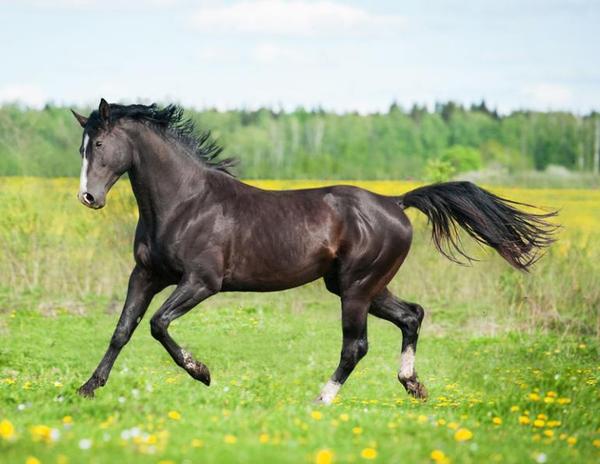
Quite near my home is a horse breeder who also runs a riding school.
Recently I was talking to her and she explained how she long ago dispensed with bits to control the horses, thinking them cruel and unnecessary.
She explained how many cultures have never used a bit and yet generations schooled, trained and bred horses very successfully.
She also explained that the habit of mounting a horse from the left only came about because, in the past, the sword got in the way!
Now it's done without ever thinking it through and this can actually damage a horse's musculature when they are ridden regularly.
All this was new to me, I have ridden only 3 times in my life, although have always observed how horses don't like that bar of metal across their tongues and how it can tear the corners of the mouth.
So, could you tell me why these practices continue, especially with people who clearly love horses?
Is it true that they just blindly accept what's been done in the past - and don't bother looking for humane alternatives?
Registering is free, easy, and means you can join the discussion, watch threads and lots more.
Register now »Already registered? Log in with:
Gransnet »Get our top conversations, latest advice, fantastic competitions, and more, straight to your inbox. Sign up to our daily newsletter here.