1. Why did the BoE chose the day before th Budget to start QT? It seems deliberate.
I have no idea.
But it has been pursuing QT, quite unnecessarily for some time. The bonds could well have sat with them until maturity at no detriment to the nation's finances.
Apparently, the UK is the only country that is doing it. All the others which carried out QA are just hanging onto the bonds. The really annoying thing is that the BoE are selling them at a loss. As it was the BoE that created the money to buy them in the first place it seems really weird.
I note the figures you quote, but the Reform plan is to cut taxation for the wealthy and corporations, too. Of course the wealthy will win out in that situation. If they were more heavily taxed, that is, if their tax bill was actually progressive, making the over all percentage they paid equal to the percentage currently paid by the remaining 'percentiles' they would lose the estimated advantage.
£60 billion on income tax cuts sounds generous but it will make little difference to the poorest households. The poorest 20% of households would be just £1 a day better off,
I'm in my mid 70s. I have seen an awful lot of budget days. I have read plenty of analyses the next day telling me that the projected increase in the threshold, or projected tax cuts are going to make me, oooh, say £150 a year better off. Wow!
£365 pa sounds pretty good in comparison...
You do have to consider what the over all effect on the economy of £60 billion 'would be if' it was going to end up in the hands of the poorer people, who would most definitely spend it into the economy. Even half of that would be pretty useful.
Unlike the wealthy, who have a well documented 'marginal propensity to spend'. They'd just speculate with the extra in order for it to grow more money for themselves. They rarely 'invest' in anything productive.
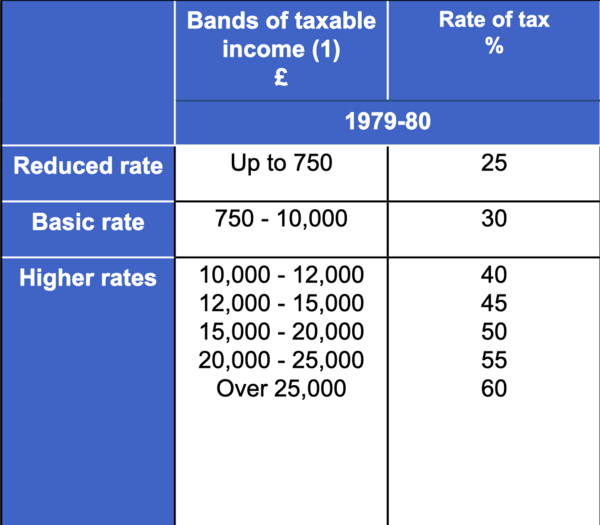
I did say that the 'only' bit of the policy I thought had a 'modicum' of sense was raising the tax thresh hold for the poor. The rest is nonsense, as you demonstrate. The upper thresholds have to stay where they are. Perhaps with an extra tax rate for the super wealthy, who could pay a bit more than 45%...

 . the fact that she was policing the thread by doing so appeared to have escaped her. I can't always quote from my phone for some reason, so copied the relevant bit from her post.