As was discussed on another thread, previous stamp duty temporary “holidays” have had the effect of increasing prices overall. The tax saved is just added to the sale price. They also create sales spikes which can create a slow down of the market afterwards - as we are seeing now after the last “holiday” ended.
As Guardian policy editor Kiran Stacey pointed out on Newsnight, such a policy would have to be effected immediately if and when Tories came to power (a very big if) as the market would gum up beforehand as people waited for the promised change.
We know the next election has to be called by August 2029. On the back of this promise, people would sit tight. There are usually around 90,000 transactions a month. That’s a lot of gum in the works.
Let’s say the Tories are elected and make their first Autumn Statement in November 2029 announcing the abolition of SDLT from 6 April 2030. Potentially what you could have is hundreds of thousands of households who have sat tight, looking for something to buy and complete the transaction after that date. It becomes a sellers market, prices would rocket and probably wipe out any tax saving.
Say this were to happen now. The average UK house price is currently £270,000 attracting SDLT of £3,500 (and nothing for a first time buyer). £3,500 would soon be wiped out in a sellers market. For someone buying a house for £500,000 the SLDT would be £15,000 also easily wiped in a seller’s market.
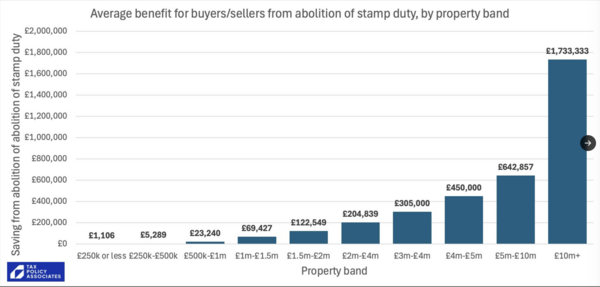
The people who will benefit most from this are sellers of expensive properties.
For abolition of SDLT to work for the benefit of buyers, it needs the supply side to be addressed and that means building more houses.
This is projected to leave a rather large hole in government finances that would have to filled from somewhere - probably welfare cuts.
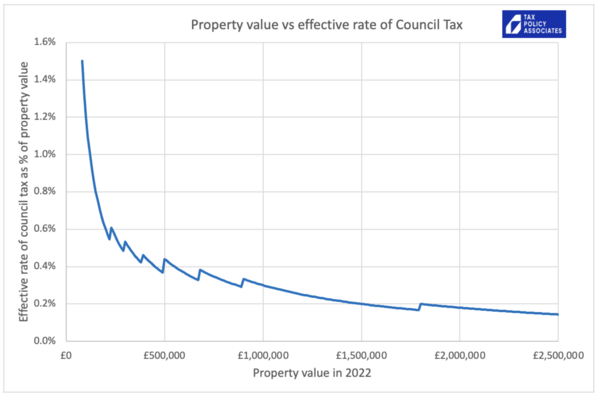
SLDT is an unpopular tax but then all taxes are. Reeves is said to be looking at it anyway but I fear any changes will result in tax rises across the board. SDLT currently raises about £12-14 billion a year. A Land Value Tax has been mooted but it would be a huge and controversial tax to implement. How do you value the land a building sits on? Council tax valuations were random. So would be a LVT.
If Reeves were to introduce a tax on the seller, it would have the same effect. The seller would raise their price to compensate.
All this would cause more inflation. Wage demands would increase. The RPI would increase.. What do governments do to address inflation? Cut spending and/or raise taxes - which affects everyone. We would soon be hearing even more about the unsustainability of the triple lock.
This is just a bribe for the few remaining Tory faithful and would cost us all in the end.